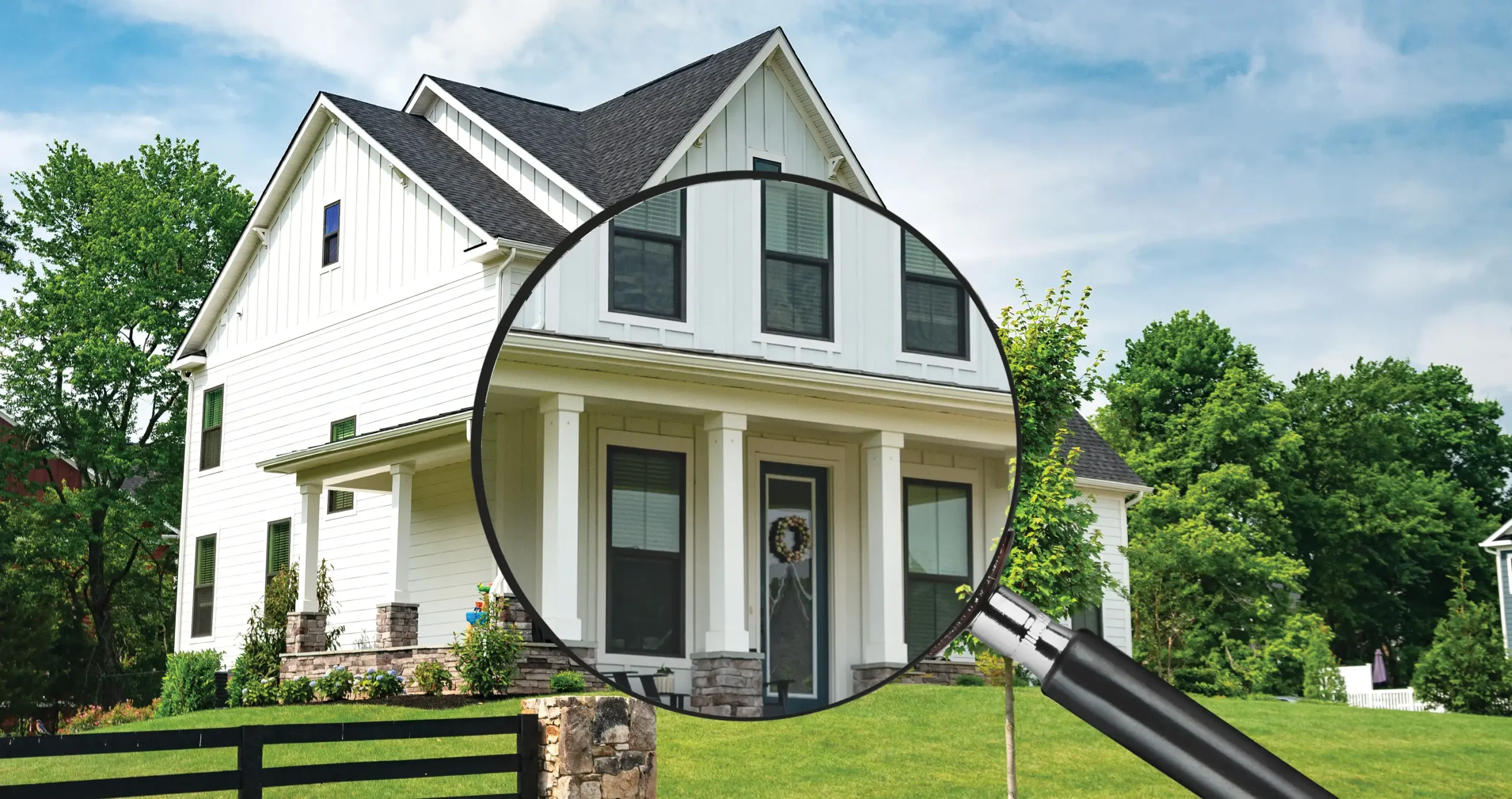
The U.S. housing market is heading into Q4 2026 with a familiar setup: mortgage rates are high enough to squeeze budgets, but not high enough (yet) to force a nationwide price drop. For buyers, sellers, lenders, and agents, Q4 comes down to one question: do rates ease meaningfully, or does the market keep adapting to mid-6% financing?
As of August 13, Freddie Mac put the average 30-year fixed mortgage rate at 6.67%. That’s slightly lower than the prior week, but still higher than the same time last year. In other words, the 2026 mortgage outlook is still higher rates, slower market. (apnews.com)
📌 Key Takeaways: Q4 Housing Market
- Mortgage rates are still the main story: The most likely Q4 range is the mid-6% area, not a quick drop back below 6%.
- Affordability is keeping sales low: Many buyers can qualify, but monthly payments are still too high for many budgets.
- Inventory is improving, but it’s not normal: Resale supply is better than 2021/2022, yet still tight in many metros.
- Prices look steady nationally, with big local differences: Expect slower growth (not a broad crash) unless the economy weakens sharply.
- New construction may offer the best deals: Builders have more homes to move and may offer rate buydowns and closing credits.
2026 Mortgage Outlook: What Could Move Rates in Q4
Mortgage rates don’t move because of one headline. They mostly follow:
- Inflation (is it cooling fast enough?)
- Fed policy expectations (are cuts coming soon or later?)
- Bond yields, especially the 10-year Treasury (a key reference point for mortgage pricing)
The base case for Q4 is a market that shifts slowly, not one that suddenly turns cheaper. Fannie Mae’s July 2026 forecast puts the 30-year fixed rate at an average of 6.4% in Q4 2026. (fanniemae.com)
The Mortgage Bankers Association has also leaned higher for longer. After the Fed’s July meeting, MBA said it expects mortgage rates to average close to 6.5% for the foreseeable future. That’s why most forecasts for 2026 mortgage rates cluster in the mid-6% range unless inflation drops faster than expected. (mba.org)
On July 29, the Federal Reserve held its target range at 3.50% to 3.75%, pointing to inflation that remains above the 2% goal. The Fed doesn’t set mortgage rates directly, but its stance shapes expectations for growth, inflation, and bond yields. (federalreserve.gov)
Inflation readings have cooled at times, but not enough to change the bigger picture. Reports citing the Bureau of Labor Statistics show the Consumer Price Index rose 0.1% month over month and 3.4% year over year in July. That’s better than earlier spikes, but still high relative to the Fed’s target. (bls.gov)
Housing Market Outlook: Sales are Still Slow
The Q4 housing market outlook looks like slow improvement, not a rebound. Existing-home sales fell 1.7% in July to a seasonally adjusted annual rate of 4.06 million units, based on National Association of Realtors data reported by AP. (apnews.com)
Supply is better than it was during the tightest years, but it’s not plentiful. July inventory was a 4.6-month supply. Many economists consider roughly 5-6 months closer to a balanced market. (apnews.com)
Fannie Mae’s July forecast points to gradual gains, not a surge. It expects total home sales to rise from 4.763 million in 2026 to 5.088 million in 2027. For Q4 2026, it forecasts total sales around 4.873 million (annualized), including 4.204 million existing-home sales and 669,000 new single-family sales. (fanniemae.com)
Home Prices: Slower Growth, with Local Winners and Losers
Nationally, prices still get support from limited resale inventory and homeowners who don’t want to give up older, lower mortgage rates. That keeps the market from sliding broadly, even when sales slow.
Fannie Mae expects home prices to grow by 2.3% through the end of 2026, with growth slowing down to just 1.0% in 2027. (fanniemae.com)
In practice, Q4 2026 is likely to be a split market:
- Supply-tight, high-demand areas may keep rising (or at least hold steady).
- Markets with more listings or more new construction may see more cuts, credits, and longer time on market.
New Construction: Where Buyers may Have More Leverage
New homes can be more negotiable because builders often have standing inventory and sales targets. Census and HUD data show new single-family home sales were running at 628,000 (seasonally adjusted annual rate) in June 2026 1.6% higher than May, but 5.6% lower than June 2025. (census.gov)
At the end of June, there were 485,000 new homes for sale, a 9.3-month supply at the current pace. That’s far looser than the resale market, which is why builders are more likely to offer:
- Mortgage-rate buydowns
- Closing-cost credits
- Price adjustments on specs and quick move-ins
The median price of new homes sold in June was $398,300, down from May and below June 2025. (census.gov)
Supply Pipeline: Starts are Mixed, Permits are Cautious
New home construction is showing a mixed picture right now. Total home construction picked up in June to an annual rate of 1.427 million, though single-family starts stayed flat at 895,000. At the same time, building permits slowed across the board, falling to 1.367 million overall, with single-family permits down to 871,000. (census.gov)
That suggests builders aren’t rushing to expand single-family supply before Q4. Financing costs, labor availability, and uncertain demand are still real limits. Fannie Mae’s July forecast projects total housing starts of 1.314 million in Q4 2026 and 1.342 million for full-year 2026. (fanniemae.com)
What Buyers Should do in Q4 2026
- Shop rates aggressively: Small rate differences can change your payment a lot at today’s prices.
- Look for leverage in new construction: Incentives may beat what you can negotiate on resale homes.
- Focus on local supply: National averages can hide big neighborhood differences.
- Stress-test your budget: Make sure the payment works even if rates tick up from the initial quote.
What Sellers Should do in Q4 2026
- Price to the market: Buyers are payment-sensitive, and overpricing can stall a listing.
- Expect more requests: Concessions, repairs, and credits are more common when rates are high.
- Compete on condition: Move-in-ready homes still stand out in a slower market.
How Should You Plan for the Housing Market in Q4 of 2026?
Q4 2026 is likely to be a steady, rate-constrained market: 2026 mortgage rates in the mid-6% range, sales still below long-term norms, and home-price growth slowing rather than collapsing. Fannie Mae’s forecast of a 6.4% average 30-year fixed rate in Q4 points to stabilization, not a surge. (fanniemae.com)
For buyers, the best opportunities may show up in new construction and listings that have been sitting longer. For sellers, realistic pricing and strong presentation matter more than they did during the low-rate boom. Overall, the 2026 mortgage outlook and broader housing market outlook still depend on whether inflation cools enough to bring borrowing costs down without a major hit to jobs or consumer confidence.