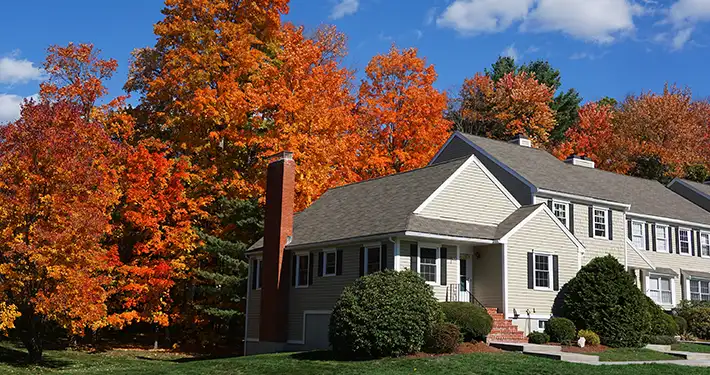
As one of the most popular loan options for first-time homebuyers, an FHA loan offers low down payment options, flexible credit requirements, and competitive interest rates. If you are looking to buy your first home, an FHA loan might be the exact key you need to get your foot in the door.
Below, you’ll learn how FHA loans work, review the core requirements, and determine whether this mortgage program fits your financial goals.
📌 FHA Loan Basics (At a Glance)
- Backed By: Federal Housing Administration (FHA)
- Down Payment: As low as 3.5% with qualifying credit
- Credit Guidelines: Typically more flexible than conventional loans
- Mortgage Insurance: Required (upfront + annual premiums)
- Eligible Homes: 1–4 unit primary residences (you must live in one unit)
What is an FHA Loan?
An FHA Loan is a government-backed mortgage insured by the Federal Housing Administration (FHA). Because the government insures the loan, lenders face less risk. This allows mortgage companies to offer more flexible qualifying guidelines than traditional conventional loans, making homeownership accessible to buyers who may not meet strict conventional criteria.
What are the Benefits of an FHA Loan?
Low Down Payment Options: FHA down payment requirements allow qualified homebuyers to purchase a home with as little as 3.5% down, compared to the larger down payments often required by standard loan programs.
Flexible Credit Requirements: FHA credit score requirements are designed to accommodate buyers with less-than-perfect credit history, allowing you to pursue homeownership without waiting years for your credit score to rebuild.
Southern Trust Mortgage Tip: If your credit score isn’t quite where you want it to be, our in-house Credit Specialist can review your credit report, identify quick-fix opportunities, and build a personalized action plan to help you qualify.
Higher Debt-to-Income (DTI) Ratio: FHA guidelines may allows for higher debt-to-income limits, sometimes up to 50% or more in qualifying scenarios. This flexibility helps buyers with existing monthly debt, such as student loans or car payments, qualify for a home loan.
Competitive Interest Rates: FHA interest rates are often more competitive than conventional mortgage rates under similar credit profiles. (Note: While the base interest rate may be lower, added FHA requirements like mortgage insurance will factor into your total monthly payment.
Multi-Unit Homes Allowed (House Hacking): FHA Loans aren’t just for single-family homes. You can use an FHA loan to buy a 1-4 unit property (like a duplex, triplex, or fourplex), provided you live in one of the units as your primary residence. You can rent out the other units to generate rental income that helps cover your mortgage.
Down Payment Gift Funds Allowed: 100% of your required FHA down payment can come from acceptable gift sources. Eligible donors include:
- Immediate or extended family members
- Employers of labor unions
- Close friends with a clearly documented interest in the buyer
- Approved charitable organizations or local down payment assistance programs
Note: A signed gift letter from both the donor and borrower is required.
FHA Loan Requirements:
While FHA Loans are flexible, borrowers and properties must meet specific criteria. In most cases, the home must be your primary residence, and you’ll need to show steady income and employment.
Down Payment and Credit Requirements:
Your FICO score typically helps determine the minimum required down payment.
| FICO Credit Score Range | Minimum Down Payment |
| 580 or higher | 3.5% |
| 500-579 | 10% |
Debt-to-Income Ratio:
While exceptions exist for strong overall financial profiles, many borrowers aim to keep total monthly debt payments around 43%-50% of gross monthly income.
FHA Mortgage Insurance (MIP):
All FHA loans require a Mortgage Insurance Premium (MIP), which protects the lender in case of default. FHA mortgage insurance generally includes
Upfront MIP (UFMIP): Equal to 1.75% of your base loan amount. It is typically financed into your loan rather than paid out of pocket.
Annual MIP: Often around 0.55% of the remaining loan balance annually for standard 30-year mortgages with 3.5% down, paid in monthly installments as part of your mortgage payment.
MIP Duration Rules:
Less than 10% Down: Annual MIP remains for the life of the loan (unless you refinance into a conventional mortgage later).
10% or More Down: Annual MIP automatically drops off after 11 years.
Real-World Down Payment & MIP Example:
If you purchase a $300,000 home with a 3.5% down payment ($10,500):
Base Loan Amount: $289,500
Upfront MIP (1.75%): $5,066 (rolled into loan = $294,566 total loan)
Monthly MIP (0.55%): ~$132.69 added to your monthly payment
FHA vs Conventional Loan: Quick Comparison
| Feature | FHA Loan | Conventional Loan |
| Minimum Down Payment | 3.5% (with 580+ score) | 3.0% (for eligible first-time buyers) |
| Minimum Credit Score | 500 (with 10% down) / 580 (with 3.5% down) | 620 |
| Mortgage Insurance | Upfront MIP (1.75%) + Annual MIP | Private Mortgage Insurance (PMI) – No Upfront Fee |
| MI Removal | Life of the loan(<10% down) or 11 years (10%+ down) | Cancelled automatically at 20% -22% equity |
| Max Debt-to-Income (DTI) | Up to 50%+ with compensating factors | Typically capped at 43% – 50% |
| Eligible Property Types | 1-4 Unit Primary Residences | Primary. Secondary, or Investment Properties |
Worried you might not meet every requirement? Talk with one of our experienced Loan Officers today, there are still options and strategies to get you to the closing table!
FHA Appraisal & Property Requirements:
When purchasing a home with an FHA Loan, the property must pass an assessment by an FHA approved appraiser to ensure it meets the FHA’s Minimum Property Standards (MPS) for safety, security, and structural soundness.
Common FHA Appraisal Checkpoints:
- Safety Hazards: Missing handrails, exposed electrical wiring, or trip hazards.
- Peeling Paint: Especially in homes built before 1978 due to lead-based paint hazards
- Deficient Utilities: Non-functional heating, cooling, plumbing, or electrical systems.
- Structural Damage: Signs of active water damage, roof leaks, or foundation failure.
Important Note: If your appraiser flags a safety or structural issue, the repair must generally be completed and reinspected before the loan can close.
Essential FHA Loan Facts:
Do FHA Loans have Loan Limits?
Yes, FHA loan limits vary by county and are updated annually by the Department of Housing and Urban Development (HUD). Most areas have a baseline limit, but high-cost areas usually have a higher limit. Before you start looking for homes, it is important to confirm the current loan limit for your area.
What is the FHA Amendatory Clause?
The FHA Amendatory Clause is a mandatory contract disclosure designed to protect buyers from overpaying. It states that if the home’s appraised value comes in lower than the agreed purchase price, you can cancel the contract without penalty and receive 100% of your earnest money deposit (EMD) back, or use the appraisal to renegotiate the price with the seller.
What If Interest Rates Drop Later (FHA Streamline Refinance)?
If market interest rates drop in the future, FHA borrowers can take advantage of an FHA Streamline Refinance. This streamlined program allows you to lower your interest rate and monthly payment with:
- Minimal Income Documentation
- No Credit Check Requirements in Many Cases
- No New Home Appraisal Required
Ready to Start Your Homebuying Journey?
An FHA Loan, especially when paired with local grant and down payment assistance programs, is a powerful mortgage option for those looking to break into the housing market. Get started with one of our loan officers today!
Please visit hud.gov for more information about FHA Loans and how they may benefit you.