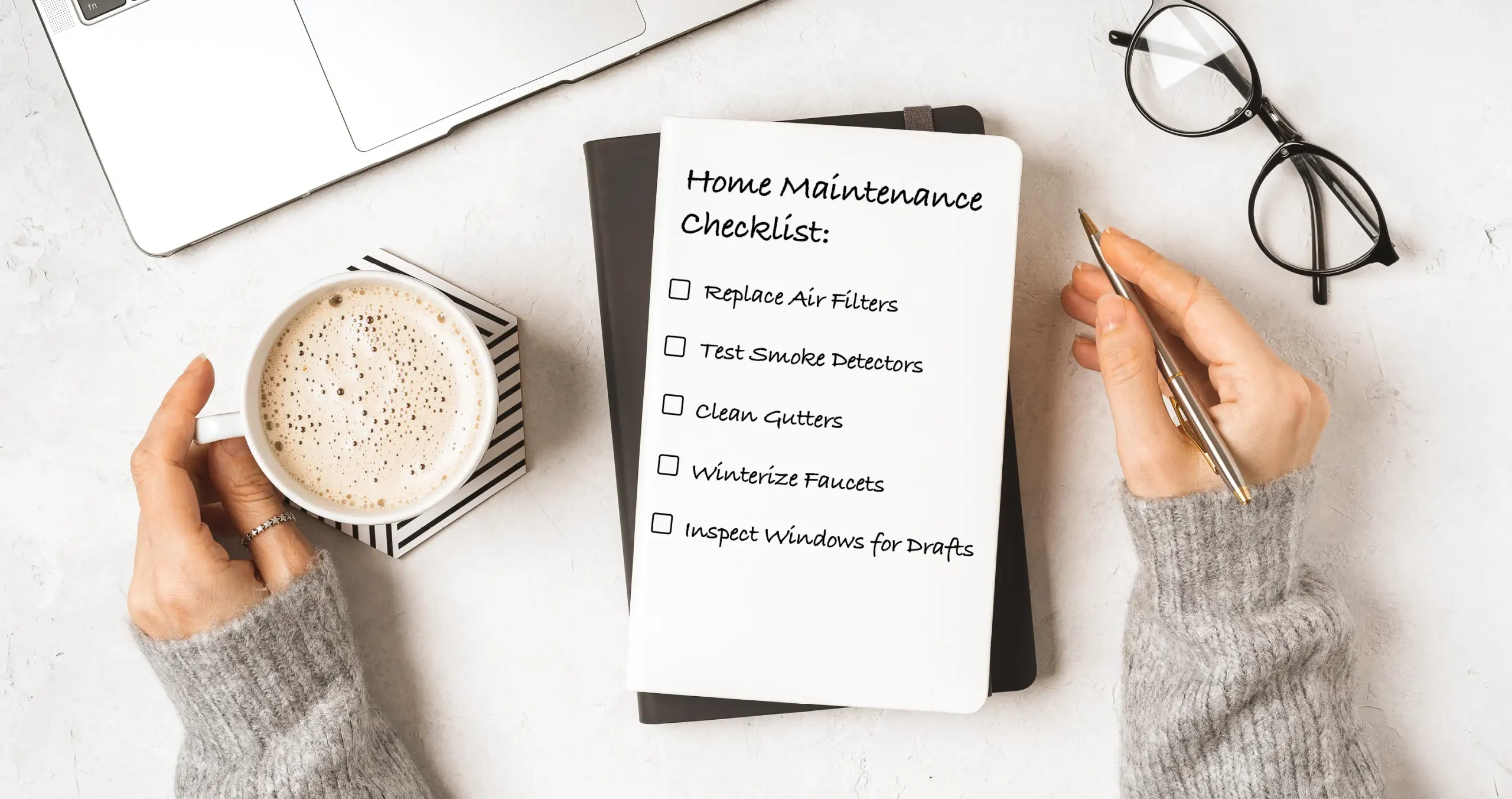
Buying a home is a big milestone, but keeping its value takes regular care. Routine home maintenance prevents surprise repairs, lowers utility bills, and helps protect your home’s equity over time.
Use this as your seasonal home maintenance checklist month by month. It covers monthly home maintenance tasks, DIY vs professional home maintenance, how much to budget for home maintenance, and home repair financing options.
DIY vs Professional: The “Fix or Hire” Framework
Not every maintenance task needs a pro, but the wrong DIY job can create safety risks or costly damage. Use this quick guide when deciding how to handle tasks throughout the year:
| Category | DIY-Friendly Projects | Hire a Licensed Professional |
| HVAC & Air | Replacing filters, cleaning fans, dusting vents | Annual tune-ups, refrigerant leaks, electrical wiring. |
| Plumbing | Clearing sink traps, inspecting under-sink lines, cleaning disposal | Main water line repairs, gas line work, water heater swaps |
| Exterior & Roof | Clearing low gutters, power washing siding, mulching | Second-story roof repairs, tree trimming near power lines, major masonry |
| Electrical | Testing GFCI buttons, replacing light fixtures or outlets with the breaker off | Panel upgrades, rewiring circuits, resolving persistent breaker trips |
Winter Maintenance (January – February)
Focus on freeze protection, energy savings, indoor safety, and post-holiday cleanup.
January
- Replace HVAC Air Filters: Change air filters every 1 to 3 months to keep indoor air clean, help heating work better, and extend furnace life.
- Test Smoke & Carbon Monoxide Detectors: Press the test button on all smoke and CO alarms. Replace batteries right away if they chirp, and replace units older than 10 years.
- Inspect Attic for Signs of Leaks & Moisture: Look for water stains, frost, or condensation on roof boards. Early leak detection can prevent ceiling damage and mold.
- Seal Drafts Around Doors & Windows: Apply caulk or weather stripping around drafty entry points to keep cold air out and lower winter heating bills.
- Check Exposed Pipes for Freezing & Leaks: Insulate pipes in unheated basements, crawlspaces, or garages. Look for slow leaks before spring thaw occurs.
- Clean & Organize Storage Areas: Declutter holiday decorations and make room around electrical panels and the main water shut-off valve.
- Review Homeowner’s Insurance Policy: Make sure your policy fits your current home value and any major updates from the past year.
Mortgage Tip: Doing major winter upgrades? Save your receipts. Home improvements can raise value, and they may help when applying for a cash-out refinance or Home Equity Line of Credit (HELOC).
February
- Deep Clean Kitchen Appliances: Degrease range hoods, clean refrigerator coils, and run cleaner through your dishwasher to extend appliance life.
- Inspect Bathroom Caulking in Tub or Shower: Look for mold, peeling, or cracked caulk. Re-caulking keeps water from seeping behind walls and helps prevent rot.
- Clean Dryer Vents: Remove built-up lint from behind the dryer exhaust pipe to prevent house fires and lower energy usage.
- Check Under Sinks for Plumbing Leaks: Run faucets and inspect supply lines under kitchen and bathroom sinks for slow drips that can lead to wood rot and mold.
- Lubricate Garage Door Hinges & Rollers: Use silicone spray lubricant on garage door tracks and rollers for smooth, quiet operation.
- Test Electrical Outlets & GFCIs: Press the “test” and “reset” buttons on GFCI outlets in kitchens, bathrooms, and outdoors to make sure shock protection works.
- Organize Cleaning Supplies: Store chemicals away from children and pets, and dispose of expired household cleaners responsibly.
Spring Maintenance (March – May)
Focus on exterior recovery, water drainage, HVAC spring tune-ups, and yard prep.
March
- Clean Gutters & Downspouts: Clear winter debris from gutters and downspouts so spring rains flow freely away from your home’s foundation.
- Inspect Your Roof for Winter Damage: Check from the ground with binoculars for missing, cracked, or curled shingles damaged by ice or winter winds.
- Pressure Wash Siding & Walkways: Wash away built-up winter dirt, salt, and grime from walkways, driveways, and exterior siding.
- Service Your Lawn Mower: Change the oil, replace the spark plug, and sharpen lawn mower blades before spring lawn care begins.
- Check Outdoor Faucet for Leaks: Turn exterior spigots back on and inspect for frost-damaged leaking valves or cracked pipes.
- Wash Exterior Windows: Clean window glass and screens to bring in more natural light and inspect for damaged seals.
Climate Note (Colder Northern Regions): Inspect your roof and attic for winter ice dams. Trapped melting snow can back up under shingles and leak into exterior walls.
April
- Schedule Your HVAC Spring Tune-Up: Have a qualified tech service your air conditioning unit before summer heat arrives.
- Clean & Reverse Ceiling Fans: Dust fan blades and switch rotation counterclockwise to push cool air down in warmer weather.
- Inspect Decks & Patios for Loose Boards: Check for pop-up nails, rot, or splintering boards, and secure railing safety features.
- Trim Trees Away from Roof & Windows: Cut back branches hovering within 6 feet of your roof to help prevent storm damage and keep pests off your home.
- Reseal Windows & Exterior Openings: Apply exterior-grade caulk around window trim to seal out summer heat and moisture.
- Inspect Fencing for Damage: Repair broken fence posts or loose pickets caused by winter soil expansion and ground shifting.
- Refresh Mulch Around Landscaping: Spread 2 to 3 inches of fresh mulch around flower beds to hold soil moisture and curb weed growth.
Agent Tip: Spring is homebuying season! If a buyer loves a home that needs cosmetic or structural work, remind them that renovation loan options (like FHA 203k or Fannie Mae HomeStyle) can bundle purchase and repair costs into a single mortgage.
May
- Clean Window Screens: Remove screens, scrub gently with mild soapy water, and inspect for tear damage before opening windows for fresh air.
- Inspect Sprinkler Systems: Run irrigation zones by hand to check for broken sprinkler heads, misaligned sprayers, or line leaks.
- Check for Signs of Termites & Other Pests: Inspect wood surfaces and foundation walls for mud tubes, winged swarmers, or wood damage.
- Clean Outdoor Furniture: Wash down patio chairs and tables to prepare outdoor living areas for summer use.
- Pressure Wash & Seal Your Deck or Patio: Deep clean deck boards and apply sealant or stain every 2 to 3 years to protect wood from rain and UV rays.
- Test Outdoor Lighting Fixtures: Replace burnt-out bulbs and clean solar panels on landscape lights for better safety and curb appeal.
- Clean Garage Floor & Organize Lawn Tools: Sweep out dirt and road salt, and organize lawn equipment for easy summer access.
Summer Maintenance (June – August)
Focus on energy savings, summer cooling, outdoor living safety, and storm prep.
June
- Clean Refrigerator Coils: Vacuum dust from condenser coils behind or underneath your fridge to improve cooling lower energy bills.
- Check Attic Ventilation: Make sure attic soffit and gable vents are open and unblocked to stop dangerous heat buildup that ages your roof early.
- Inspect Your Home’s Foundation for Cracks: Check exterior foundation walls for vertical or horizontal cracks. Seal hairline cracks to help stop water intrusion.
- Wash Exterior Doors: Wipe down exterior front and garage entry doors and add protective polish or fresh paint if needed.
- Clean Grill & Outdoor Cooking Areas: Deep-clean gas grates, burner tubes, and drip pans to reduce grease fire risks.
- Prune Shrubs Away from Siding: Keep a 12-inch gap between plants and siding to stop pest entry and reduce moisture rot on exterior walls.
- Inspect Outdoor Play Equipment: Tighten bolts, inspect swings and chains, and make sure playground surfaces are soft and safe for kids.
July
- Clean & Organize Your Garage: Purge unwanted items, clear floor space, and properly store paints or chemicals away from summer heat.
- Check Flashlight & Emergency Lanterns: Make sure emergency kits have fresh batteries and working flashlights in case of summer power outages.
- Wash Interior & Exterior Windows: Deep clean interior and exterior glass, window sills, and tracks for better visibility.
- Inspect Gates & Fences for Loose Hardware: Lubricate gate latches and tighten sagging hinges on perimeter fences.
- Touch Up Chipped Paint on Doors & Trim: Paint over chipped exterior wood trim to seal it from humidity and rain.
- Clean Patio Umbrellas & Outdoor Cushions: Spot-clean fabric outdoor cushions with mild fabric cleaner to help prevent mildew growth.
- Check for Standing Water to Reduce Mosquitoes: Empty birdbaths, plant saucers, and clogged rain barrels to prevent mosquito breeding zones.
Climate Note (Southern & Coastal Regions): High summer humidity can raise air conditioning condensation. Flush your AC condensate drain line with vinegar each month to prevent clogs and indoor water leaks.
August
- Check Weather Stripping on Exterior Doors: Replace worn weatherstripping at entry doors to prepare for cool late-summer night air and draft protection.
- Inspect Windows for Damaged Seals: Look for fogging or condensation between glass panes, a key sign of broken thermal seals.
- Flush Your Water Heater: Drain water heater tanks to wash out sediment buildup, improve heating efficiency, and extend tank life.
- Clean Bathroom Exhaust Fans: Remove fan covers and vacuum dust to keep moisture-venting systems running quietly and efficiently.
- Inspect & Clean Chimney: Schedule an annual chimney sweep before fall fireplace season begins.
- Check Irrigation Systems: Adjust watering timers to match late-summer heat and water restriction rules in your area.
- Prepare Emergency Supplies for Late-Summer Storms: Stock non-perishable food, water, and first aid supplies for peak hurricane and severe storm season.
Fall Maintenance (September – December)
Focus on heating prep, winter prep, drainage, and safety before freezing weather arrives.
September
- Schedule Fall HVAC Maintenance: Have an HVAC contractor service your heating furnace or heat pump before the first cold snap.
- Replace Furnace Filters: Install fresh air filters to help warm air flow well through your home as heat turns back on.
- Clean Gutters After Early Leaf Fall: Clean early falling leaves from rain gutters to avoid blockages during heavy fall rains.
- Inspect Basements & Crawlspaces: Check sub-grade areas for dampness, sump pump function, or foundation wall seepage before wet weather.
- Seal Cracks in Driveways & Walkways: Fill asphalt or concrete cracks to keep water from out, stop freeze damage, and prevent larger holes over winter.
- Check Exterior Paint for Chipping: Touch up exterior paint or stain on wood siding to shield structural timber from winter moisture.
- Clean Outdoor Light Fixtures: Wipe away insects and debris from exterior lights to maximize lighting during shorter winter days.
October
- Winterize Outdoor Faucets: Turn off interior water shut-off valves leading outdoors and open exterior hose spigots to drain the remaining water.
- Drain & Store Garden Hoses: Disconnect, drain, and roll up garden hoses so they do not crack of freeze.
- Store Patio Furniture: Cover or move outdoor furniture, cushions, and grills into a shed or garage for winter protection.
- Inspect Door & Window Weatherstripping: Test for drafts using a candle or draft detector, and seal any gaps before freezing temperatures arrive.
- Test Your Fireplace & Chimney Flue: Open and close dampers to make sure they move well. Burn only dry hardwood to help prevent creosote buildup.
- Clean Leaves from the Gutters & Downspouts: Do a final gutter cleanup after trees drop their leaves to help prevent winter ice dams.
- Trim Dead Tree Branches: Remove dead or weak tree limbs that could snap under heavy ice or snow and damage your roof or power lines.
November
- Check Attic Insulation: Make sure attic insulation levels meet recommended R-value standards to keep heat inside your living spaces.
- Reverse Ceiling Fans for Winter: Set ceiling fan rotation clockwise on low speed to gently push warm air down from the ceiling.
- Inspect Windows for Drafts: Install window insulation film or heavy thermal curtains on old single-pane windows to block cold drafts.
- Clean Garbage Disposal: Clean disposal blades with ice cubes, baking soda, and citrus peels to remove grease buildup before holiday cooking.
- Deep Clean the Oven for Holiday Cooking: Run self-clean cycles or manually degrease ovens before cooking during the busy holiday season.
- Inspect Handrails & Steps: Make sure outdoor handrails and porch steps are sturdy to help prevent slips and falls on ice.
- Test Your Sump Pump: Pour a bucket of water into the sump pit to make sure the float switch triggers the pump automatically.
December
- Test Smoke & Carbon Monoxide Detectors: Do a final year-end test on all home alarms and change batteries as needed.
- Inspect Holiday Lights & Extension Cords: Check light strings for frayed wires or cracked sockets before decorating to prevent electrical fires.
- Clean Fireplace Ash After Use: Let ashes to cool fully for at least 24 to 48 hours before shoveling them into a metal container stored outdoors.
- Protect Outdoor Faucets with Insulated Covers: Install foam faucet covers over exterior spigots as an extra layer of frost protection.
- Review Your Home Maintenance Budget: Add up total maintenance costs from the past year and reserve 1% to 2% of your home’s value for next year’s upkeep fund.
- Create a List of Spring Home Improvement Projects: Prioritize upcoming repairs or renovations so you can budget and hire contractors early.
How to Budget for Yearly Home Maintenance
While routine monthly tasks like changing air filters or cleaning gutters cost very little, long-term upkeep needs a plan. Setting aside money on a regular basis so you can handle both routine maintenance and surprise repairs without financial stress.
Common Home Maintenance Budgeting Rules
The 1% to 4% Rule: Plan to save 1% to 4% of your home’s total purchase price each year for maintenance and repairs. For example, on a $300,000 home, aim to budget $3,000 to $12,000 per year, or about $250 to $1,000 per month.
- Newer homes or low-maintenance properties (like condos) usually fall closer to the 1% to 2% range
- Older homes or homes with aging roofs, HVAC units, or exterior siding should lean closer to 3% to 4%.
The $1 per Square Foot Rule: Set aside $1 per square foot of your home’s living space each year into a dedicated maintenance fund. A 2,500 square foot home would need a $2,500 yearly upkeep budget.
Categorize Routine vs. Capital Expenses
Routine Operating Maintenance (Monthly/Seasonal): Small repeat costs such as furnace filters, lawn care products, gutter cleaning supplies, and minor sealant touch-ups.
Capital Reserves (Long-Term Replacement): High-cost systems that wear out over time. Saving money regularly helps avoid surprise bills when large items reach the end of their life:
- Water Heater: ~8-12 years ($1,200 – $2,500)
- HVAC Systems ~15-20 years ($5,000 – $10,000+)
- Roof Replacement ~20-25 years ($8,000 – $15,000+)
How to Finance Major Home Maintenance or Unexpected Repairs
When large-scale maintenance jobs or major system replacements cost more than your saved maintenance fund, there are several mortgage and equity-based financing options available:
Home Equity Line of Credit (HELOC): Works like a credit card backed by your home equity. You can draw funds as needed for major repairs, such as a new roof or HVAC unit over a 5 to 10 year period.
Home Equity Loan: Gives you a lump-sum payout with a fixed-rate and steady monthly payments for large planned updates.
Cash-Out Refinance: Replaces your current mortgage with a larger loan, so you can take cash out of built-up equity for major structural repairs or big overhauls.
Renovation Loans: If you buy a home that needs work right away, programs like the FHA 203(k) or Fannie Mae HomeStyle Renovation Loans let you roll purchase and repair costs into a single mortgage.
Lender Tip: Protecting your home’s condition helps protects your home’s equity over time. If you have upcoming maintenance projects or want to talk about using your home equity for improvements, contact us today to explore your best financing options!