For many buyers, whether you’re hunting for your first house or looking for your next property, a common question always arises: “When is the best time to buy a home?”
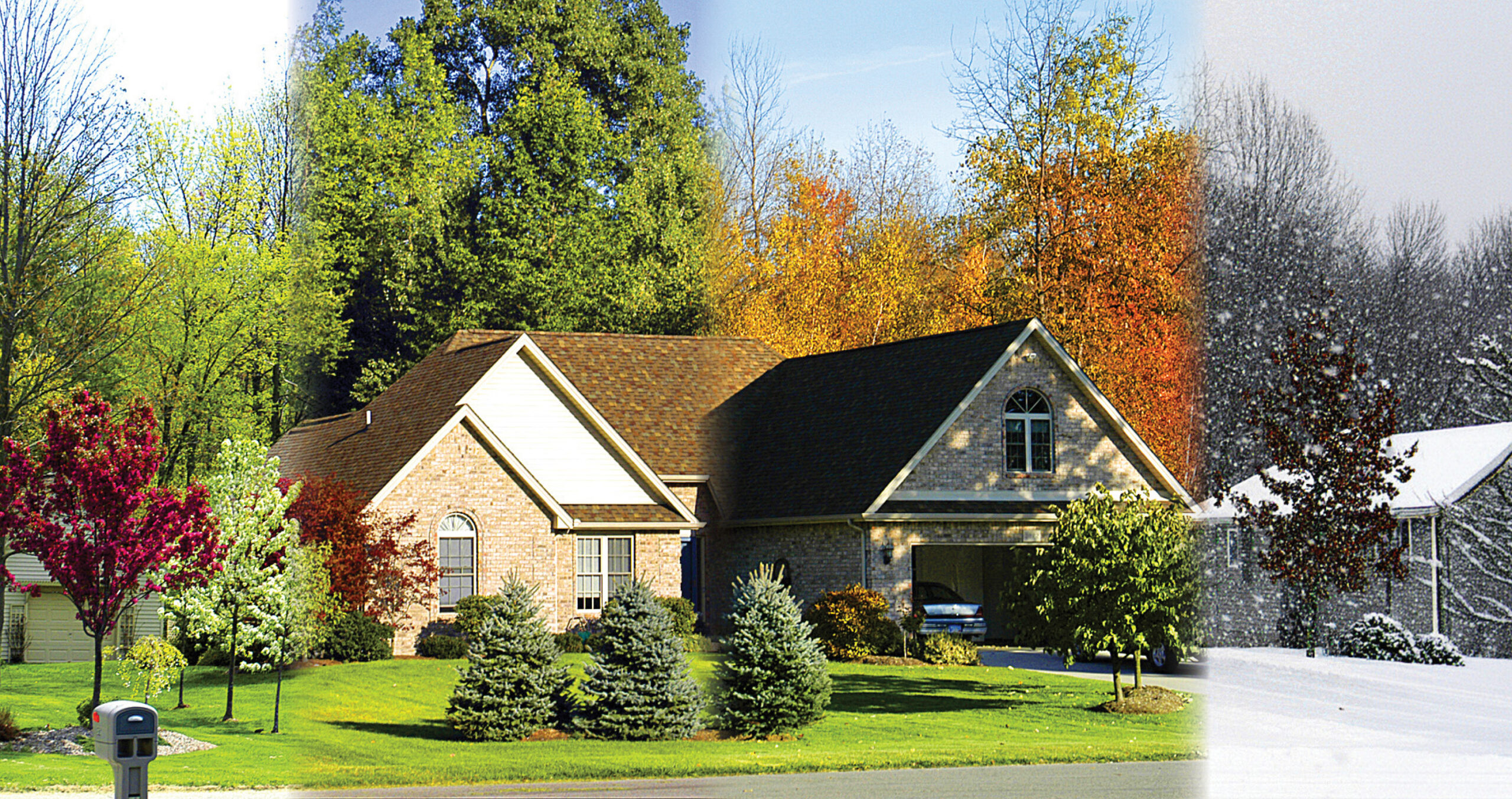
While the ideal “right” time to buy depends entirely on your individual financial situation, long-term goals, and desired location, the housing market naturally moves in predictable seasonal cycles. Each phase of the year brings its own unique advantages and disadvantages for buyers.
As we break down stats on the housing industry, it’s key to remember that these stats are nationwide averages. For specific guidance on the right time for you, we recommend contacting a loan officer in the area you’re looking to buy to get a professional opinion on the local housing market.
Buying a Home in the Spring
Spring is historically considered the busiest and most active time of the year to purchase real estate. For many, the advantages of buying during these months far outweigh the drawbacks making it an incredibly popular window for buyers of all types to make their move.
Advantages of Purchasing in the Spring
As the winter weather improves, buying conditions quickly follow suit. Sellers favor listing their homes in the spring to capitalize on warmer days and better open-house turnout, which gives buyers the unique benefit of experience properties in full bloom. The surge in activity brings a massive wave of fresh inventory to the market. If you have the patience to navigate a fast-moving environment, spring offers the widest variety of housing options to choose from all year.
Disadvantages of Purchasing in the Spring
While a massive spike in inventory is a major advantage, it directly triggers a parallel surge in buyer competition, especially in highly desirable school districts and neighborhoods. Fierce competition and fast-paced bidding wars can easily leave unprepared buyers feeling overwhelmed if they don’t have a highly strategic team supporting them. Homes also sell at a fast pace during the spring months, leaving far less room for extended price negotiations or leisurely decision-making.
Buying a Home in the Summer
The fast-paced momentum of the spring market flows right into the bustling summer homebuying season. While the real estate landscape remains intensely competitive, the consistently warm weather and flexible summer schedules allow for more freedom for extensive house tours and authentic an authentic look at how a neighborhood truly comes to life.
Advantages of Purchasing in the Summer
Shopping for a home in the summer means you can still expect a high volume of active listings as inventory levels remain elevated from the spring market. The warm and sunny weather conditions also work heavily in your favor by making it easier for home inspectors and appraisers to thoroughly evaluate roofs, foundations, structures, and overall property conditions without interference of winter elements.
Disadvantages of Purchasing in the Summer
Similar to the spring market, high inventory continues to attract a large number of eager buyers, keeping demand and competition fierce. As the season progresses into July and August, a distinct rush develops for families with children who are highly motivated to settle into preferred school zones before the new academic year begins. Because of this high-stakes environment, summer historically trends as the time of year when home prices hit their absolute highest peaks.
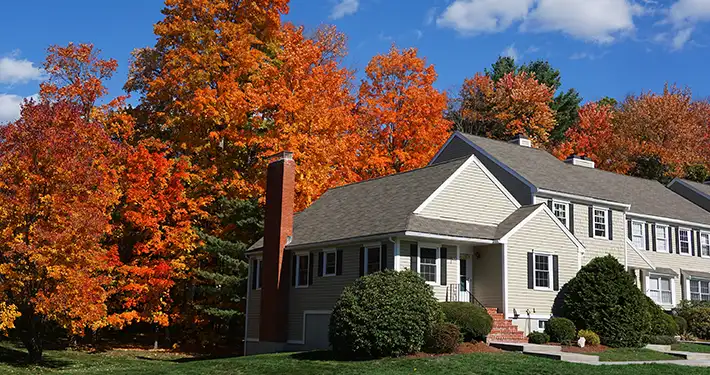
Buying a Home in the Fall
Fall serves as the ultimate transitional period for real estate, a welcome breather where the high-stakes spring and summer markets finally begin to stabilize.
Advantages of Purchasing in the Fall
The passing of the summer rush brings a noticeable drop in competition, meaning you are far less likely to find yourself trapped in a stressful bidding war. Since the market has slowed down, buyers have the time to carefully consider their options and craft a more thoughtful and strategic offer.
In addition, sellers whose listings have been sitting on the market since the summer are often highly motivated to close before the winter holidays. This timing can work heavily in your favor, since these owners are typically much more open to price reductions, repair credits, and flexible contract terms.
Disadvantages of Purchasing in the Fall
While a drop in buyer competition is a major plus, it comes with a trade-off in inventory. Homeowners who did not list by late summer will often pull their properties off market or choose to wait until spring, leaving you with significantly fewer options to choose from.
Additionally, logistics become trickier as the season progresses. The arrival of major holidays, shrinking daylight hours, and shifting weather patterns can create tight scheduling windows making it tougher to book inspections, appraisals, and professional movers before the end of the year.
While competition is few and far between so are the listings. Fall typically brings fewer listings to the market. In addition, fall is when more holidays start popping up and the weather begins to drop. This makes for difficulty when scheduling inspections or appraisals around tighter schedules or inclement weather.
Buying a Home in the Winter
Purchasing a home in the winter places you in what is traditionally the slowest season in real estate. While freezing temperatures and holiday celebrations typically prompt casual buyers and sellers to wait for a more convenient time, the market is far from completely frozen.
Advantages of Purchasing in the Winter
The winter months offer the lowest level of buyer competition all year, making the entire journey less stressful for active shoppers. Because foot traffic is light, homes that have been sitting on the market are prime candidates for aggressive price negotiations. Sellers active during this time often need to move due to job transfers or life changes rather than just wanting to, making them highly receptive to lower offers, which is a massive benefit if you are shopping on a tight budget.
Disadvantages of Purchasing in the Winter
With less competition comes a drop in fresh inventory. Finding a perfect move-in ready home can be difficult with fewer listings hitting the market. Depending on your region, harsh weather conditions can also make traveling for property tours a challenge, and it is harder to evaluate a home’s curb appeal, landscaping, or roof conditions when everything is dormant or snow covered.
Buyer Tip: Don’t let low winter inventory discourage you. If you find a home with great bones in an ideal location that just needs a little love, ask your loan officer about a Renovation Loan. It’s a fantastic way to roll up the costs of cosmetic updates or structural repairs directly into your primary mortgage, turning an overlooked property into your custom dream home.
At the end of the day, there isn’t a single perfect calendar date to buy a home. The best time to buy is simply when you are financially prepared, emotionally ready, and clear on your long-term goals. While seasonal trends can give you a strategic edge, local market dynamics always play the biggest role in your ultimate success.
Instead of trying to perfectly time the market on your own, let a professional do the heavy lifting for you. Reach out to a local lender to map out your goals, explore your financing options, and discover how to make the current season work to your absolute advantage.